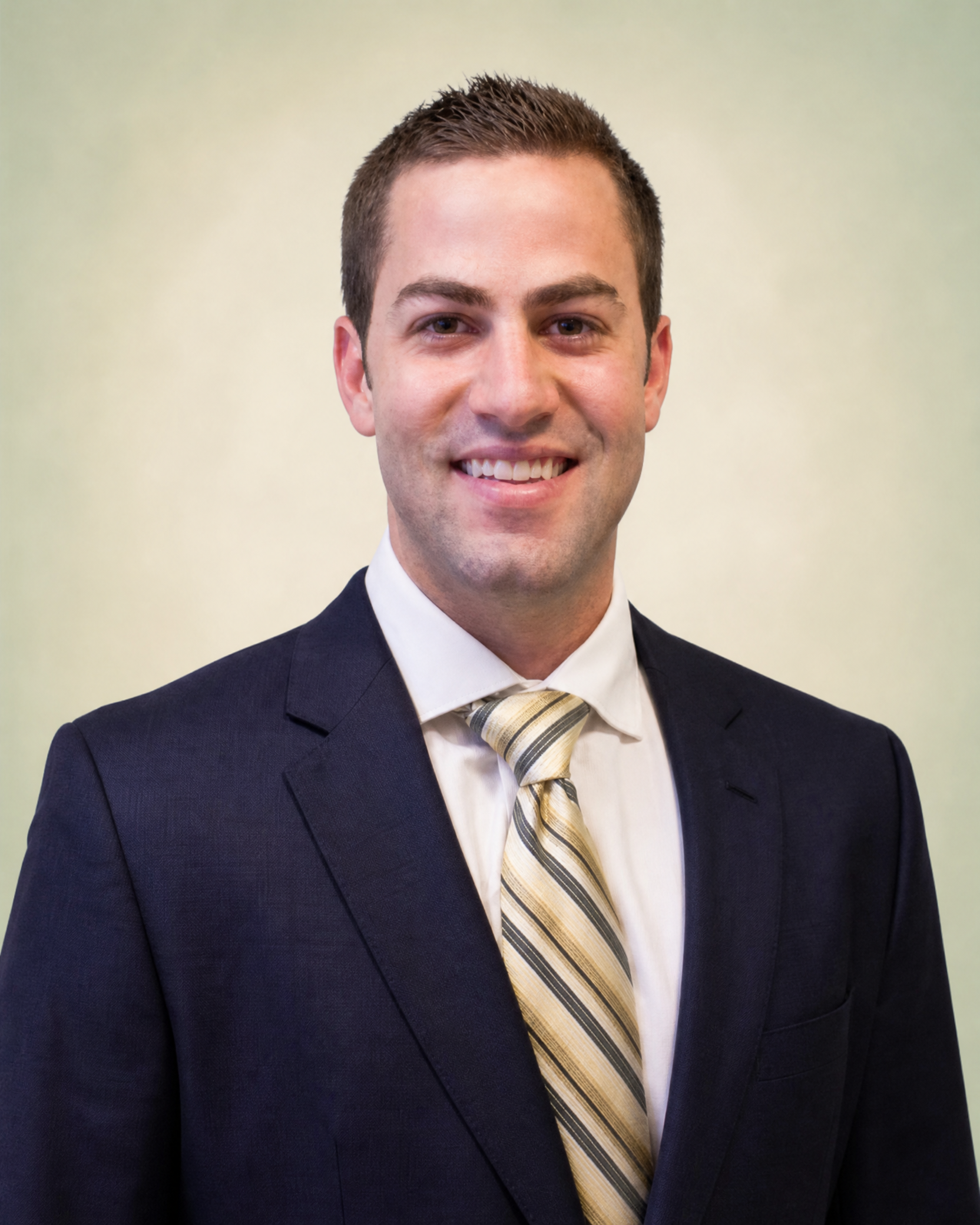
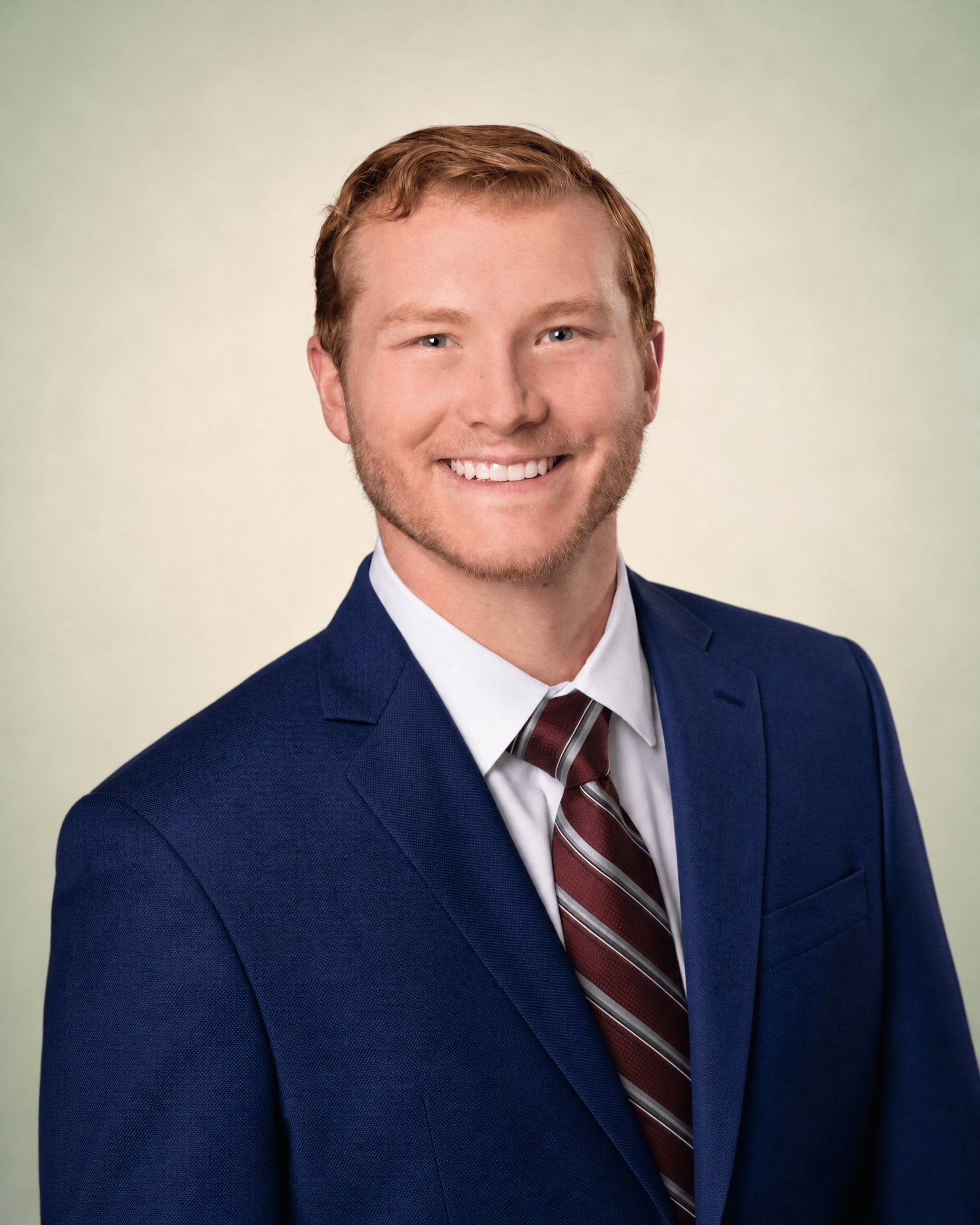
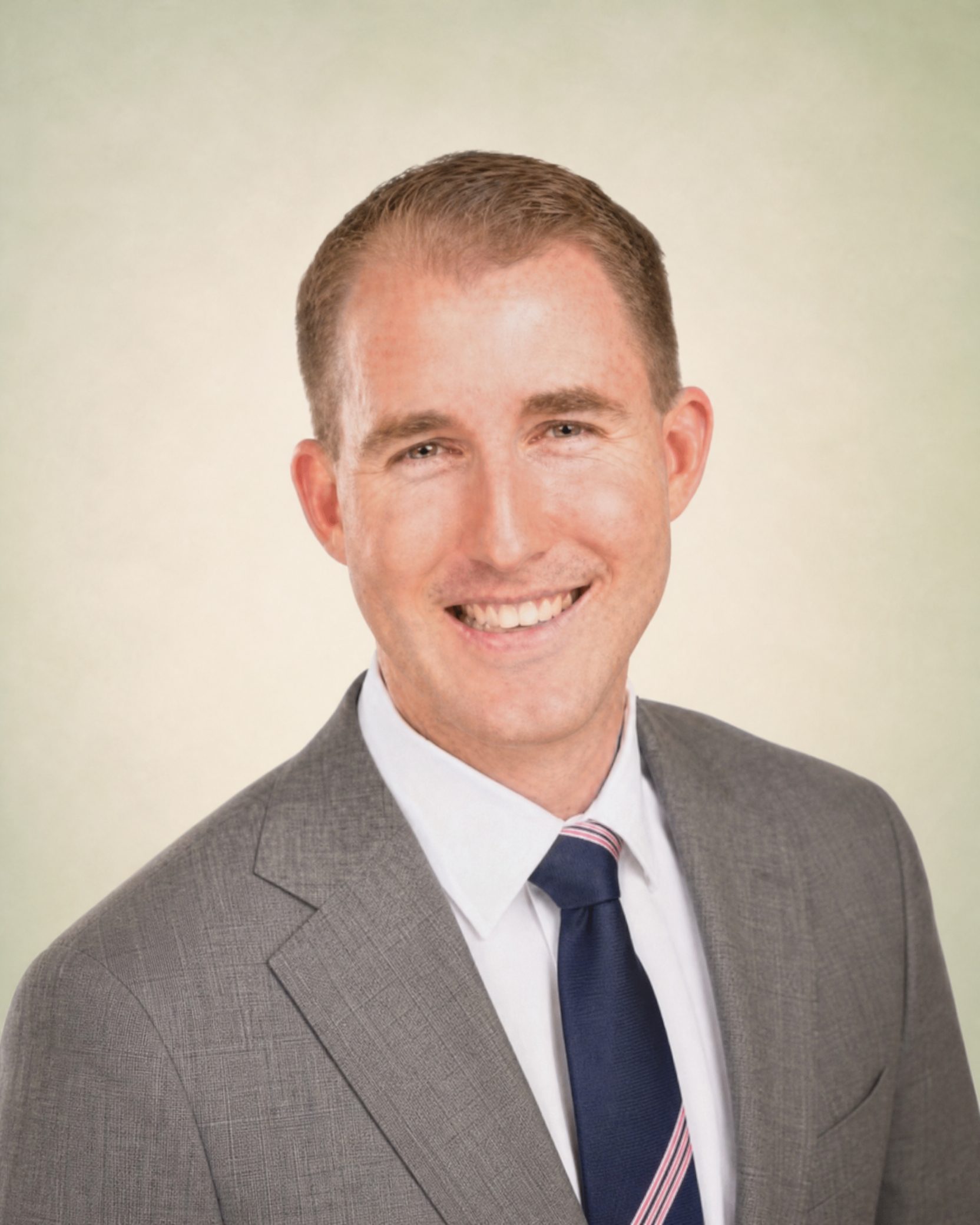
Pohlman Pain Associates brings physicians with complementary training together around one goal: a precise, understandable plan built for the person in front of us.
Pain in the same region can come from very different structures. Low-back symptoms, for example, may arise from a disc, vertebral endplate, facet joint, sacroiliac joint, nerve root, or impaired stabilizing muscle. Each possibility calls for a different evaluation and a different conversation.
Our physicians use clinical history, physical examination, imaging, previous treatment response, and—when appropriate—targeted diagnostic procedures to narrow the question before recommending the next step. That next step may be non-procedural, minimally invasive, or a referral beyond the practice.
Individualized evaluation
Evidence-aware options
Shared decisions
Function-centered follow-up
Meet the physicians
Three physicians. One coordinated standard of care.
Each profile presents approved training and professional information. Appointment availability varies by physician and office.
Pain Medicine Physician
Dane C. Pohlman
DO · Physical Medicine & Rehabilitation
Dr. Pohlman evaluates complex pain through the combined lens of interventional pain medicine, rehabilitation, and day-to-day function.
Clinical interests
Interventional pain medicineSpine and musculoskeletal careNeuromodulation
Dr. Schwartz brings anesthesiology and fellowship training in pain medicine to comprehensive spine care, neuromodulation, headache care, and regenerative approaches.
Dr. Gang combines board-certified anesthesiology training with an ACGME-accredited pain medicine fellowship and a focus on minimally invasive spine care and neuromodulation.